

Introduction
For contractors, mastering automatic door installation is crucial to delivering safe and efficient solutions across various environments. This guide details the critical steps, including:
- Understanding key components
- Conducting thorough site assessments
- Selecting appropriate door systems
Contractors face challenges in keeping up with evolving regulations and user expectations. How can they ensure their installations comply with safety standards and enhance user experience? By addressing these challenges, contractors can ensure their installations meet safety standards while enhancing user satisfaction.
Understand Automatic Doors and Their Key Components
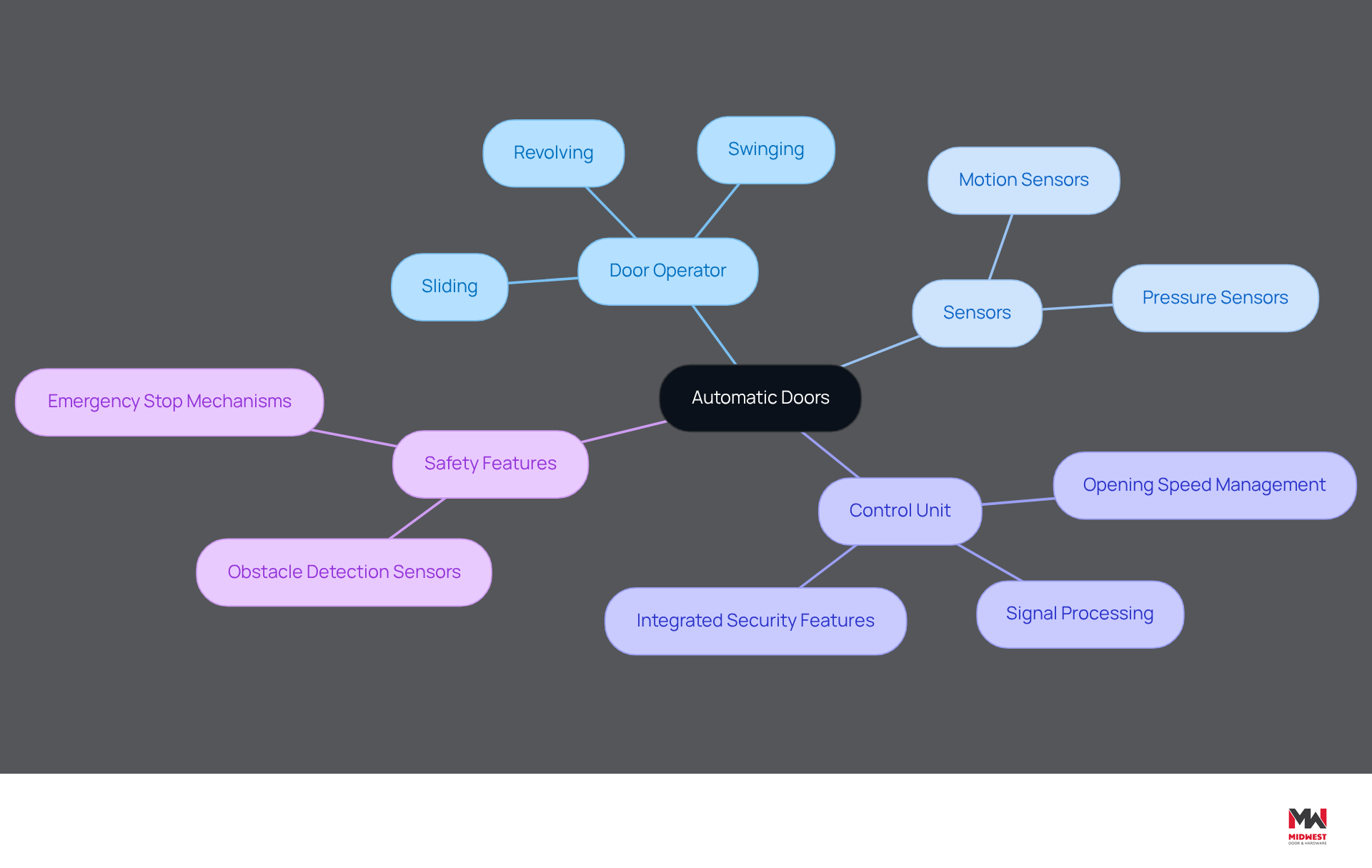
Understanding the essential components of auto door installation is crucial for ensuring compliance with safety standards and achieving efficient operation. These components work together to guarantee smooth functionality:
- Door Operator: This motorized mechanism opens and closes the door, available in sliding, swinging, or revolving types based on the specific application.
- Sensors: These devices detect individuals approaching the entrance. Common types include motion sensors and pressure sensors, which automatically activate the entrance to open.
- Control Unit: This unit processes signals from the sensors and manages the entryway's operation, including opening speed and integrated security features.
- Safety Features: These include sensors designed to prevent the entrance from closing on obstacles, ensuring user protection.
Knowing these components helps solve potential issues and ensures you’re up to date with the latest regulations. As of 2026, automatic entrances must adhere to strict regulations for protection, including EN 16005, which emphasizes user security without incurring extra expenses. The reliability of automatic doors is underscored by their low failure rate of just 0.1% annually, highlighting their effectiveness in various environments.
For instance, installations using the HR100-CT sensor showcase how enhanced protection features can lead to reliable performance in real-world applications. This sensor is recognized globally for its pedestrian protection features and quick installation, making it a favored option among contractors. By understanding these components and their functions, contractors can ensure that auto door installations meet safety standards and enhance user experience. Ultimately, a comprehensive grasp of these elements not only enhances user experience but also safeguards against potential liabilities in project execution.
Conduct Site Assessment and Preparation
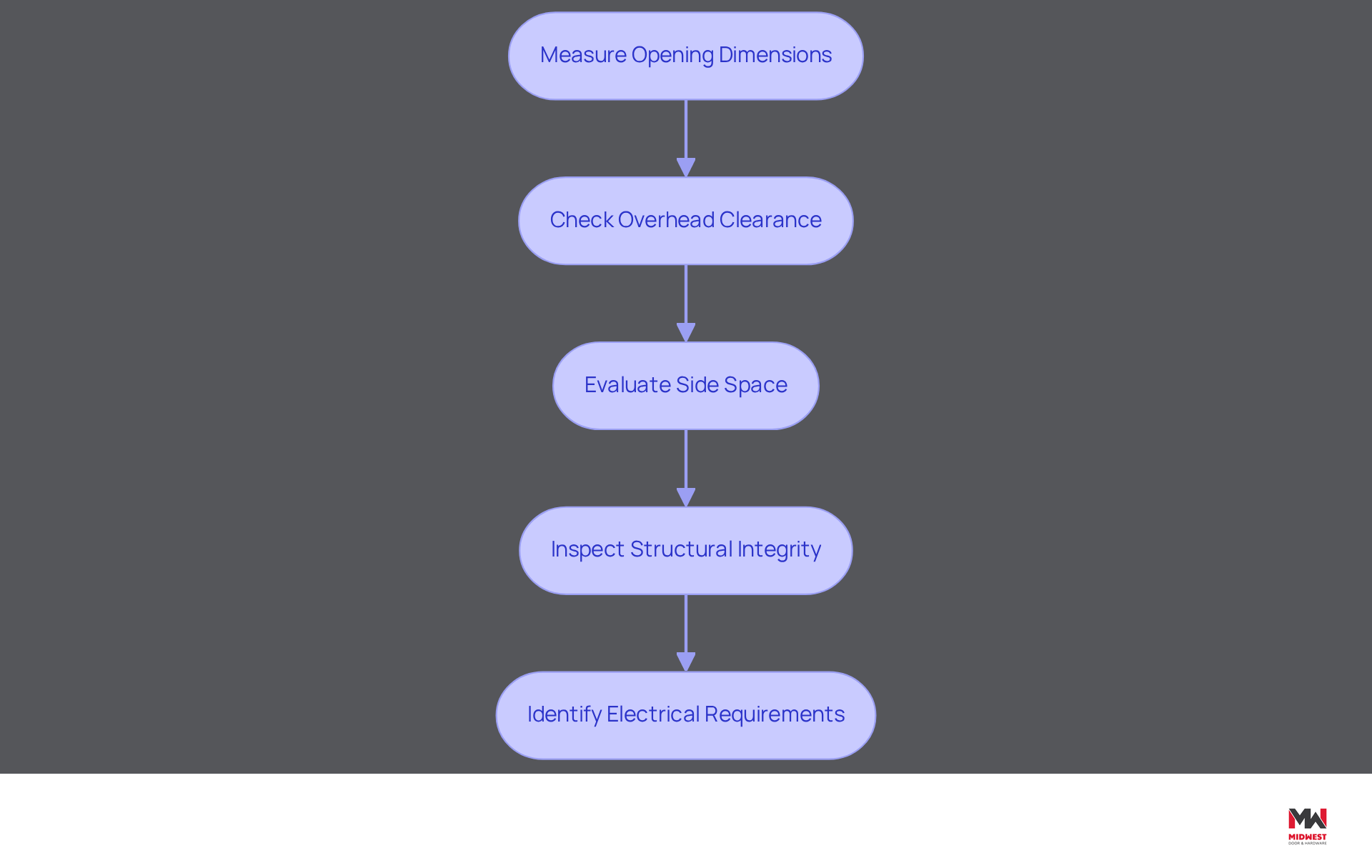
A thorough site assessment is essential before the auto door installation to ensure success. Follow these steps to achieve this:
- Measure Opening Dimensions: Confirm that the entryway is suitable for the selected type by measuring height, width, and depth to ensure compatibility.
- Check Overhead Clearance: Make sure there’s enough space above the entryway for the operator and any extra components to function properly.
- Evaluate Side Space: Ensure there is sufficient room on both sides of the entryway for unobstructed operation, preventing potential interference during use.
- Inspect Structural Integrity: Evaluate the wall and frame to confirm they can support the weight and operation of the automatic entryway, which is crucial for security and performance.
- Identify Electrical Requirements: Determine the power supply needs for the operator and any additional features, such as access control systems, to ensure seamless integration.
Completing these evaluations prepares the installation area effectively, minimizing delays and ensuring compliance with local building regulations. As noted by contractors, "Proper site preparation is key to avoiding costly mistakes and ensuring a smooth installation process." Effective site preparation can significantly impact the overall success of the auto door installation and project timeline.
Select the Right Door and Operator
Selecting the right entryway and operator is crucial for ensuring safety compliance and operational efficiency. Here are key considerations:
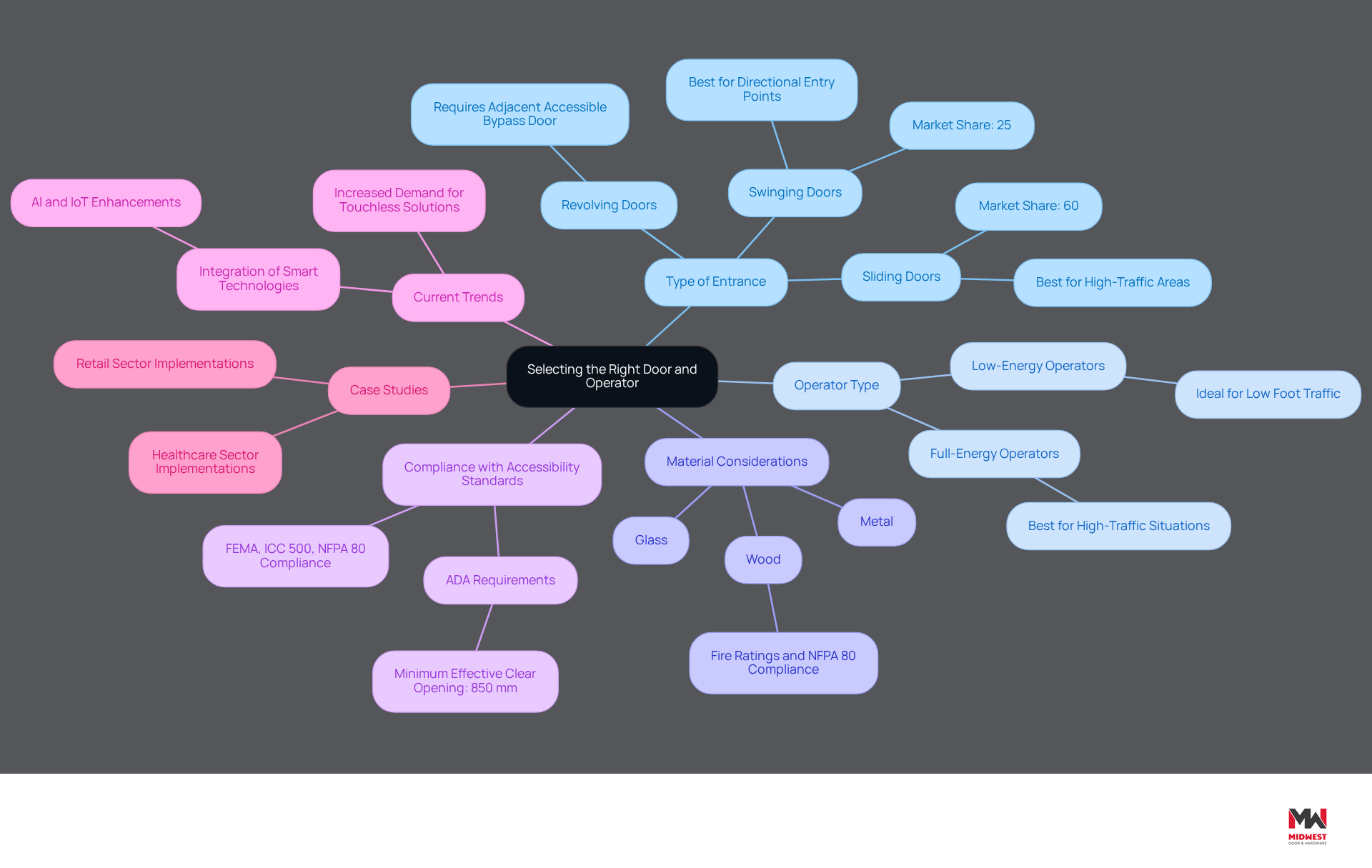
- Type of Entrance: Choose between sliding, swinging, or revolving entries based on the specific space and traffic patterns. Sliding entrances account for approximately 60% of automatic installations in the commercial industry and are particularly effective in high-traffic areas, while swinging entrances, which hold a market share of around 25%, are better suited for directional entry points.
- Operator Type: Decide between low-energy and full-energy operators. Low-energy operators are ideal for environments with less foot traffic, whereas full-energy operators cater to high-traffic situations, enhancing accessibility and convenience.
- Material Considerations: Select materials that align with both the aesthetic and functional requirements of the building. Options such as glass, metal, or wood each offer varying levels of durability and maintenance needs. Grasping the requirements for commercial wood and hollow metal entries is crucial, especially concerning fire ratings and adherence to NFPA 80 standards.
- Compliance with Accessibility Standards: Ensure that the selected entrance meets ADA requirements and local regulations for accessibility. This includes maintaining a minimum effective clear opening of at least 850 mm on accessible routes, as verified against relevant standards. Additionally, compliance with FEMA, ICC 500, and NFPA 80 standards for fire-rated and tornado-rated entrances is essential, including proper labeling, hardware compatibility, and installation standards.
- Current Trends: Smart technologies, including AI and IoT, are increasingly being integrated into automatic entry systems, enhancing functionality and user experience. The COVID-19 pandemic has increased the need for touchless solutions, making automatic entrances vital for public health and safety. According to Joe Hetzel from AAADM, "Automatic entrances are essential for guaranteeing safe and independent access for all building occupants, especially those with mobility challenges."
- Case Studies: Successful implementations of automatic entrances in various sectors, including healthcare and retail, demonstrate their role in improving occupant flow and meeting modern accessibility goals. For example, the implementation of automatic entrances has been demonstrated to improve safety and convenience for all residents, in accordance with the latest regulatory standards. Midwest Door & Hardware's coordination and provision of entrances and hardware for projects such as Lincoln Northwest High School exemplify their dedication to ensuring consistent performance and code adherence across educational environments. Additionally, Midwest Door & Hardware offers a unique cosmetic wood repair service, providing a cost-effective alternative to replacement, and features comprehensive product brands such as Sargent, Design Hardware, and Dormakaba.
Contractors who carefully assess these factors can enhance the functionality and security of their auto door installation, leading to a more accessible environment.
Install the Door and Automation System
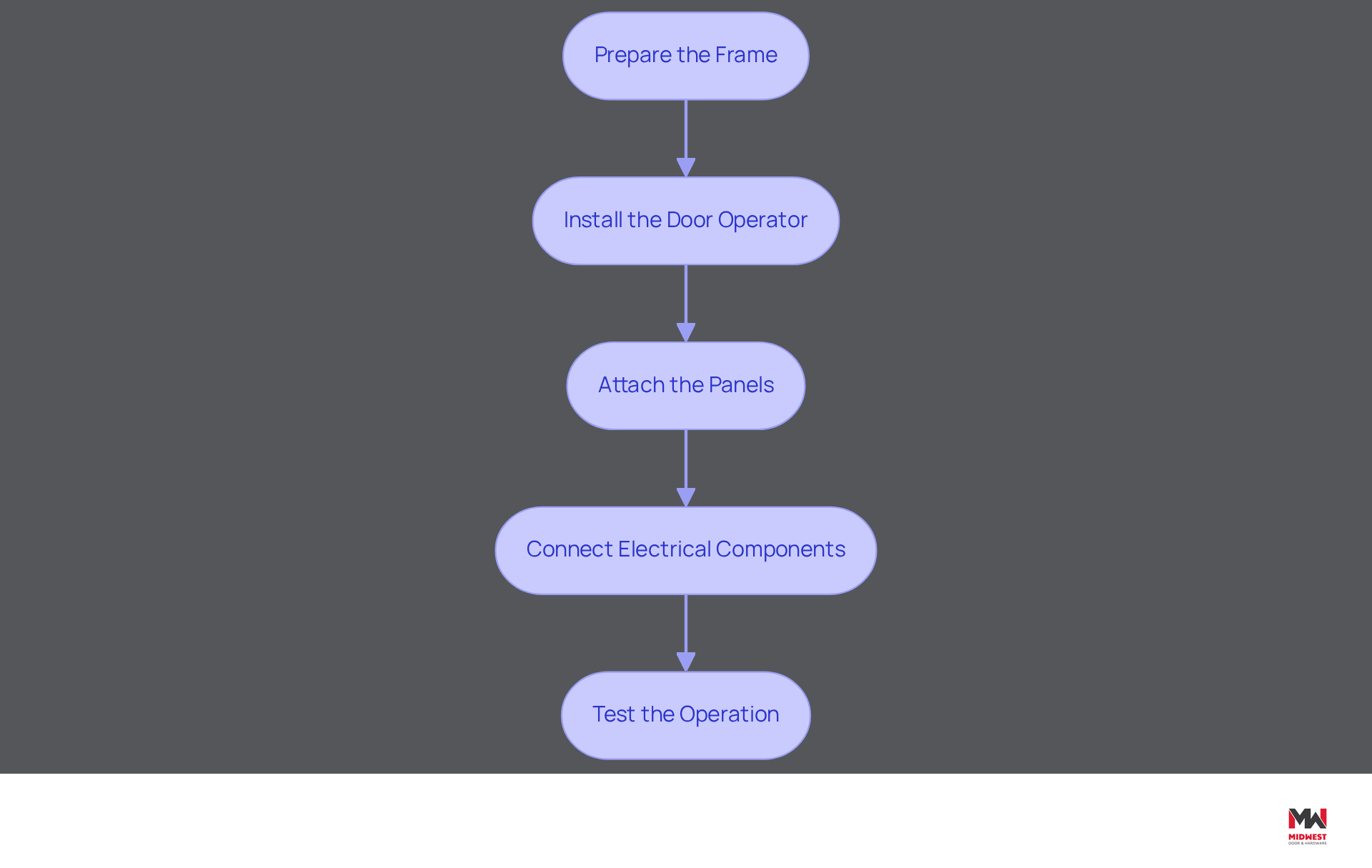
To ensure the successful installation of automatic door systems, contractors must follow a series of critical steps that guarantee compliance with safety standards and optimal functionality:
- Prepare the Frame: Make sure the frame is level and secure before proceeding. Adjustments may be necessary to accommodate the new entryway, in accordance with local building codes.
- Install the Door Operator: Follow the manufacturer's instructions to mount the operator securely. Proper alignment with the entryway is essential for optimal performance.
- Attach the Panels: Carefully hang the panels on the operator, ensuring they move freely without obstruction, which is crucial for security and efficiency.
- Connect Electrical Components: Wire the operator to the power source, adhering to all precautionary measures and local electrical regulations. This includes ensuring that all electrical components comply with the latest updates to the National Electrical Code (NEC), emphasizing GFCI protection and proper labeling.
- Test the Operation: Before finalizing the installation, conduct thorough testing of the functionality. Ensure it opens and closes smoothly and reacts accurately to sensor inputs, as improper installation can compromise safety and functionality, leading to potential security risks.
Ultimately, a meticulous auto door installation process not only meets regulatory standards but also enhances the security and efficiency of the entryway. Routine checks and upkeep are also crucial to maintain ongoing adherence and security.
Calibrate and Program Safety Features
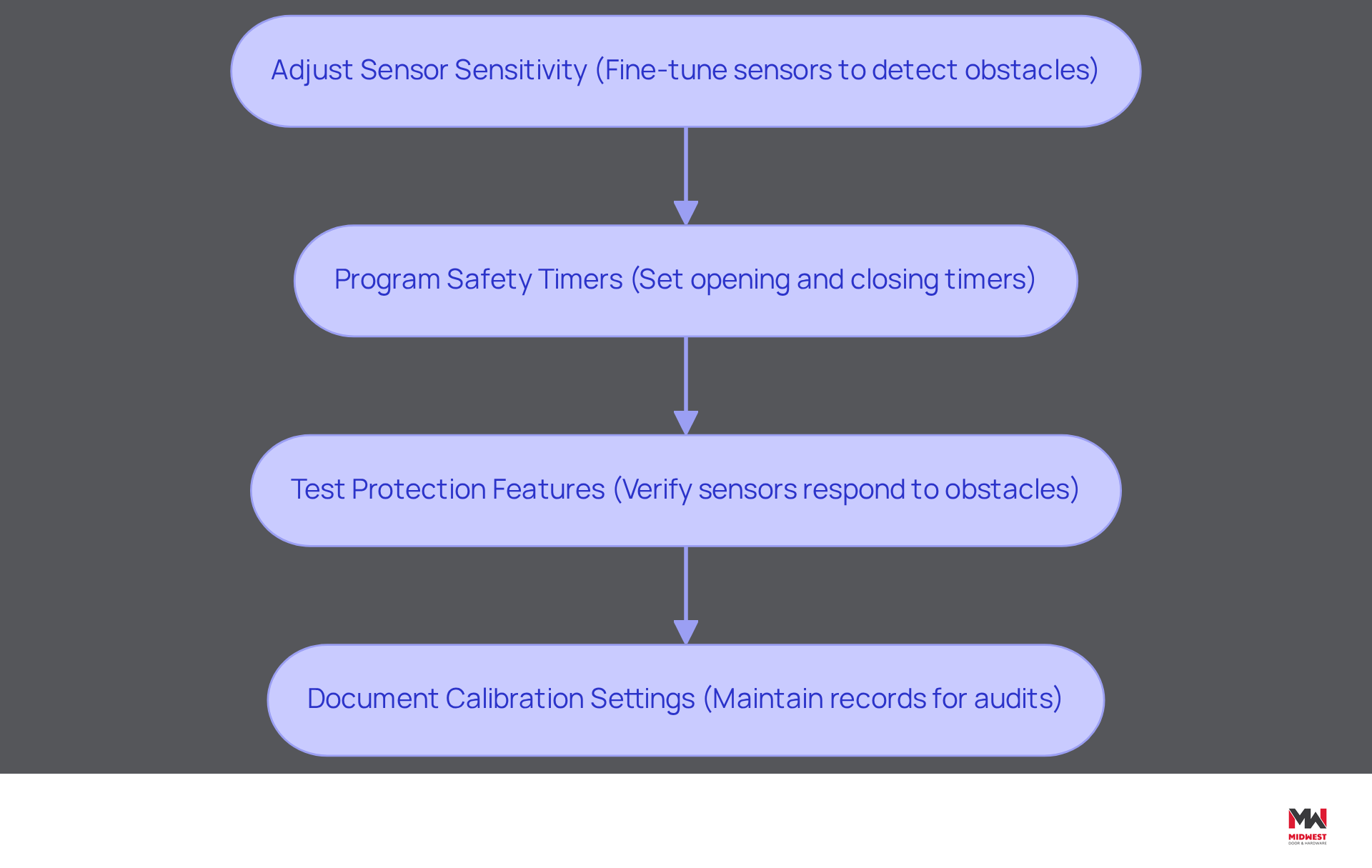
Ensuring the safety of automatic doors is crucial for both user protection and regulatory compliance. Here are key steps to calibrate and program automatic doors for optimal performance and compliance with safety regulations:
- Adjust Sensor Sensitivity: Fine-tune the sensitivity of the sensors to effectively detect obstacles while minimizing false triggers.
- Program Safety Timers: Set the opening and closing timers to provide adequate time for users to pass through safely, enhancing user experience.
- Test Protection Features: Regularly conduct tests to verify that protective sensors respond appropriately to obstacles. The door should reverse or stop if an object is detected in its path, ensuring user protection.
- Document Calibration Settings: Maintain a detailed record of all calibration settings for future reference and compliance audits.
By prioritizing these safety features, contractors can significantly enhance user safety and guarantee compliance with relevant regulations, including those outlined by the ICC and NFPA standards. Neglecting these safety features could lead to serious consequences, including accidents and regulatory penalties.
Implement Regular Maintenance Practices
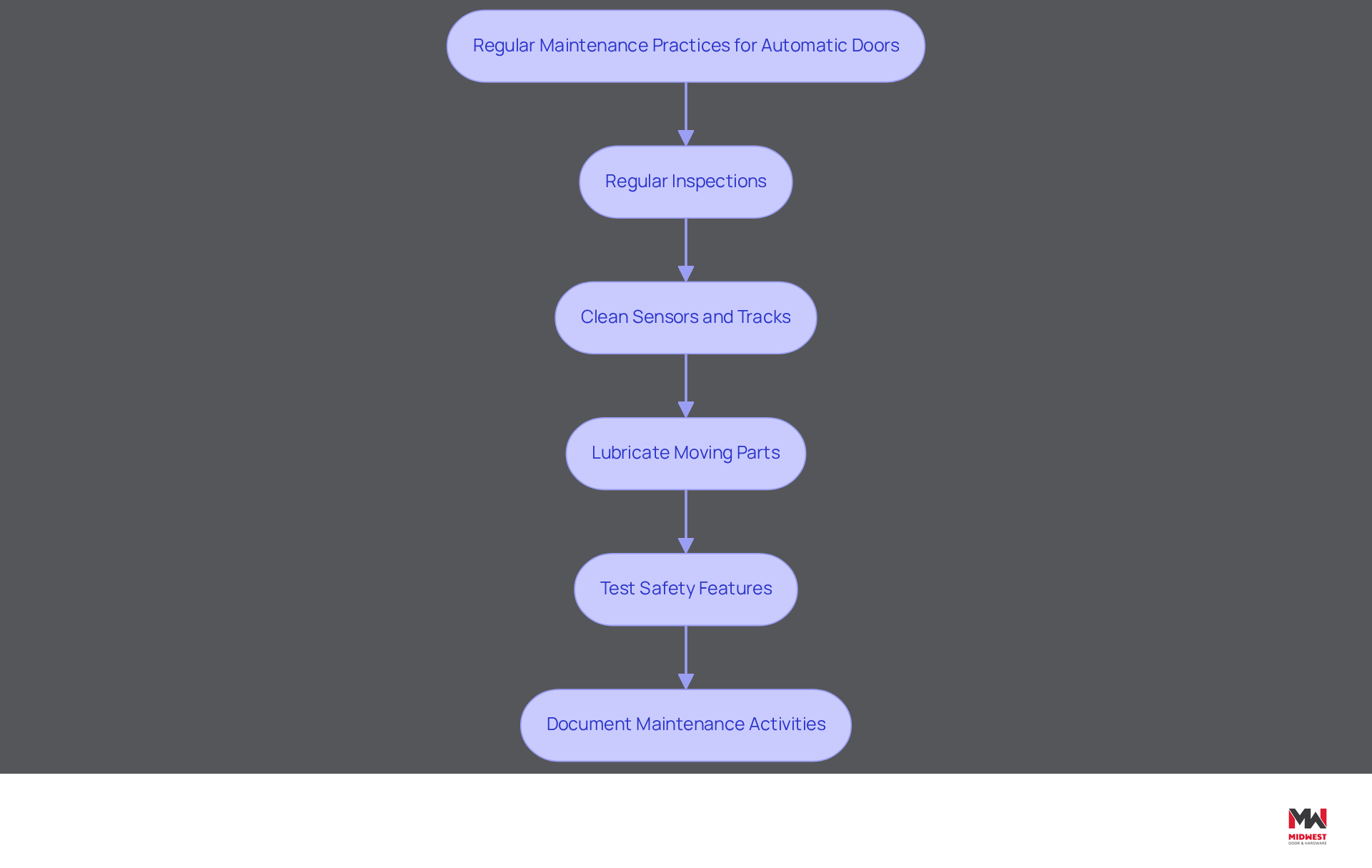
To ensure the longevity and reliability of automatic doors, consistent maintenance practices are essential:
- Regular Inspections: Conduct visual inspections of the door and its components at least once a month to identify any signs of wear or damage. Neglecting these inspections can lead to compliance issues and increased liability. As mentioned by the American Association of Automatic Door Manufacturers, 'Routine inspections are not just advised ... they are crucial.'
- Clean Sensors and Tracks: It's important to regularly clean the sensors and tracks to ensure smooth operation. Keeping these areas clean is vital to avoid malfunctions that could pose safety risks.
- Lubricate Moving Parts: Apply lubricant to hinges and moving components to promote smooth operation and prevent rust. Proper lubrication can extend the life of the door and enhance its performance.
- Test Safety Features: Periodically test safety features to ensure they are functioning correctly and adjust settings as necessary. This includes checking motion sensors and emergency systems, vital for compliance with industry standards, including those established by the AAADM.
- Document Maintenance Activities: Keeping a detailed log helps you plan and budget for future maintenance needs. Clear documentation is crucial for long-term adherence and security. As emphasized by Door Services Corporation, "Clear documentation helps in understanding what was done and what future actions are recommended."
By prioritizing these practices, you not only enhance safety but also ensure compliance with critical industry standards such as those established by the American Association of Automatic Door Manufacturers (AAADM), FEMA, ICC 500, NFPA 80, and local building codes for fire-rated and tornado-rated doors. Additionally, ensure that proper labeling, hardware compatibility, and installation standards are followed to maintain safety and compliance.
Conclusion
Contractors often face challenges in navigating the complexities of automatic door installations. This guide outlines the critical steps involved, from understanding the key components of automatic doors to conducting thorough site assessments and ensuring compliance with safety standards. Adhering to these best practices enhances installation functionality and promotes a safer environment for users.
Key insights discussed include:
- The importance of selecting the appropriate door type and operator based on traffic patterns.
- Ensuring proper site preparation.
- Implementing rigorous maintenance practices.
Each of these steps plays a vital role in achieving a successful installation that meets regulatory requirements and user needs. Moreover, incorporating advanced safety features and conducting regular inspections can significantly mitigate risks and enhance overall performance.
Meticulous planning and execution are crucial in automatic door installations. Contractors should prioritize these practices to ensure compliance and safety, especially in tornado-prone areas like Nebraska. By doing so, they safeguard not only their projects but also enhance the safety and satisfaction of all building occupants, reinforcing the value of quality workmanship in automatic door solutions.
Frequently Asked Questions
What are the key components of automatic doors?
The key components of automatic doors include the door operator, sensors, control unit, and safety features. The door operator is the motorized mechanism that opens and closes the door, while sensors detect individuals approaching the entrance. The control unit processes signals from the sensors and manages the door's operation, and safety features prevent the door from closing on obstacles.
Why is it important to understand the components of automatic doors?
Understanding the components of automatic doors is crucial for ensuring compliance with safety standards, achieving efficient operation, solving potential issues, and staying updated with the latest regulations.
What regulations must automatic entrances comply with as of 2026?
As of 2026, automatic entrances must adhere to strict regulations for protection, including EN 16005, which emphasizes user security without incurring extra expenses.
How reliable are automatic doors?
Automatic doors have a low failure rate of just 0.1% annually, highlighting their effectiveness in various environments.
What is the HR100-CT sensor known for?
The HR100-CT sensor is recognized globally for its pedestrian protection features and quick installation, making it a favored option among contractors for enhancing protection in automatic door installations.
What steps should be taken during a site assessment before auto door installation?
During a site assessment, the following steps should be taken: measure opening dimensions, check overhead clearance, evaluate side space, inspect structural integrity, and identify electrical requirements.
Why is site preparation important for auto door installation?
Proper site preparation is key to avoiding costly mistakes, ensuring compliance with local building regulations, and minimizing delays, which significantly impacts the overall success of the auto door installation and project timeline.
List of Sources
- Understand Automatic Doors and Their Key Components
- Automatic Doors Market Growth Analysis - Size and Forecast 2025-2029 | Technavio (https://technavio.com/report/automatic-doors-market-industry-analysis)
- Automatic Door Sensor News - Hotron (https://hotron.com/news)
- finance.yahoo.com (https://finance.yahoo.com/news/automatic-door-control-market-estimated-143000335.html)
- doorautomation.com (https://doorautomation.com/the-future-of-entryways-innovations-in-automatic-door-technology)
- linkedin.com (https://linkedin.com/pulse/projected-growth-united-states-automatic-door-openers-market-2k1ae)
- Conduct Site Assessment and Preparation
- 100+ Construction Industry Statistics | Autodesk (https://autodesk.com/blogs/construction/construction-industry-statistics)
- New automatic door requirements for accessibility - ICC (https://iccsafe.org/building-safety-journal/bsj-technical/new-automatic-door-requirements-for-accessibility)
- doorautomation.com (https://doorautomation.com/what-is-involved-in-automatic-door-installation)
- jmanny.com (https://jmanny.com/the-ultimate-guide-to-automatic-door-installation)
- bsmmag.com (https://bsmmag.com/Articles/2026/Daily-Articles/05/Automatic-Doors-Essential-to-Safe-Buildings.html)
- Select the Right Door and Operator
- swiftlane.com (https://swiftlane.com/blog/automatic-door-systems)
- accessauto.co.uk (https://accessauto.co.uk/automated-doors-2026-guide-part-m-equality-act)
- Automatic Door Requirements In Public Buildings: 2025 IBC Compliance & Accessibility Update - Building Envelope - Facility Executive Magazine (https://facilityexecutive.com/automatic-doors-required-at-public-building-entrances)
- businessresearchinsights.com (https://businessresearchinsights.com/market-reports/automatic-doors-market-110615)
- Install the Door and Automation System
- interstates.com (https://interstates.com/resources/blog/nec-2026-changes-key-updates-to-know)
- New automatic door requirements for accessibility - ICC (https://iccsafe.org/building-safety-journal/bsj-technical/new-automatic-door-requirements-for-accessibility)
- Automatic Operators Required by Code (https://idighardware.com/2023/11/automatic-operators-required-by-code)
- mistersparky.com (https://mistersparky.com/expert-tips/code-compliance/national-electrical-code-updates-you-should-foll?srsltid=AfmBOopPlJGuCmbOjVDrInXYZfxWm5AY-u5UNSJfY3yw0C1f48PAFSFC)
- automaticaccess.co.uk (https://automaticaccess.co.uk/blog/guide-to-new-automatic-door-standards)
- Calibrate and Program Safety Features
- New automatic door requirements for accessibility - ICC (https://iccsafe.org/building-safety-journal/bsj-technical/new-automatic-door-requirements-for-accessibility)
- doorservicescorporation.com (https://doorservicescorporation.com/resources/blogs/march-2024/enhancing-hospital-safety-the-power-of-automatic-door-features-for-your-hospital)
- fdc.com (https://fdc.com/automatic-door-openers)
- doorsupply.com.au (https://doorsupply.com.au/blogs/news/automatic-doors?srsltid=AfmBOoqQPrYXtzM7CY3fn_MGGNkFtSYOvwlYEpvjWRR88Am1zDlP12IQ)
- Automatic Door Sensor News - Hotron (https://hotron.com/news)
- Implement Regular Maintenance Practices
- The Importance of Regular Automatic Door Maintenance (https://jmhrgroup-dockandoor.com/signs-your-automatic-door-may-need-maintenance)
- pasek.com (https://pasek.com/news/auto-door-maintenance-best-practices)
- New Year, New Maintenance Plan | Automatic Door Contracts | Door Tips and Industry News | Door Services Corporation (https://hortonautomatics.ca/resources/blogs/2026-january/new-year-new-maintenance-plan-start-2026-with-a-new-service-contract)
- Smart Automatic Door Maintenance & Service Plans | Door Tips and Industry News | Door Services Corporation (https://doorservicescorporation.com/resources/blogs/march-2026/keeping-doors-reliable-with-smart-service-preventative-maintenance-agreements)
Related News
Check out more of what we’ve worked on.